7 work environments and how to build a strong one for your employees
Explore seven types of work environments, who they’re best for, and examples. Plus, learn how to create a positive workplace for your employees.
Updated on March 30, 2022
Published on January 04, 2022
The world of work changes by the day. Workers and leaders alike have to remain on their toes, as they constantly adjust and upskill the ways they communicate and collaborate together in an ever-evolving world.
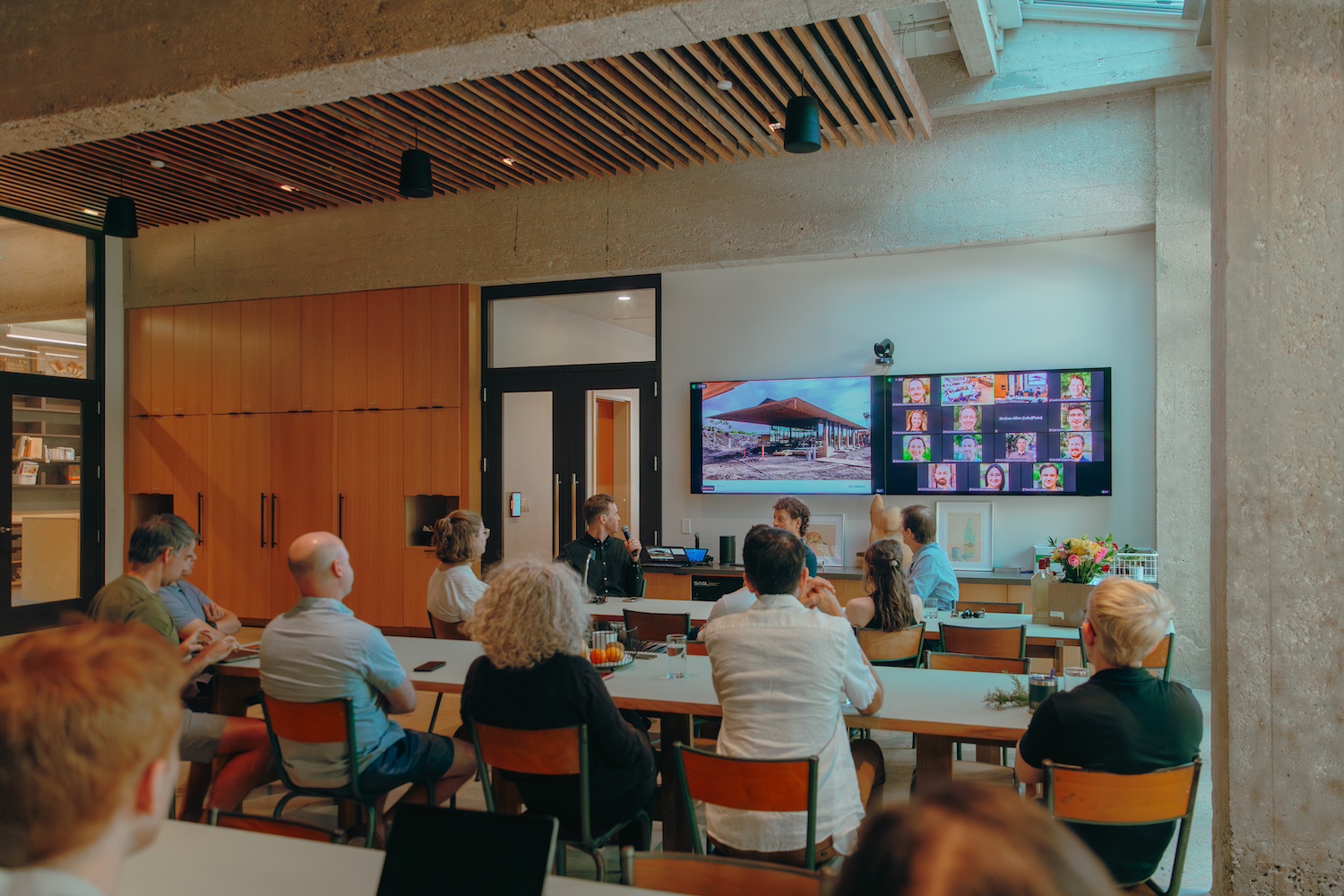
To keep pace with the demands of this new reality, meetings should factor in a mix of in-person and remote attendees, leaders need to get inventive with creating team cohesion, and brainstorming has to find its strength in these mediums.
At Zoom, we gathered a handful of experts to discuss this paradigm shift occurring in the new world of work, all of whom participated in our Building Forward webinar series to offer unique insights and tips for those hoping to enable an everywhere workforce.
A lot of communication is nonverbal, and face-to-face interaction often gives away a lot more about thoughts and feelings than how people speak or what they say. So while participating in a video meeting, some may struggle to gauge pieces of information in this format — especially if videos are turned off.
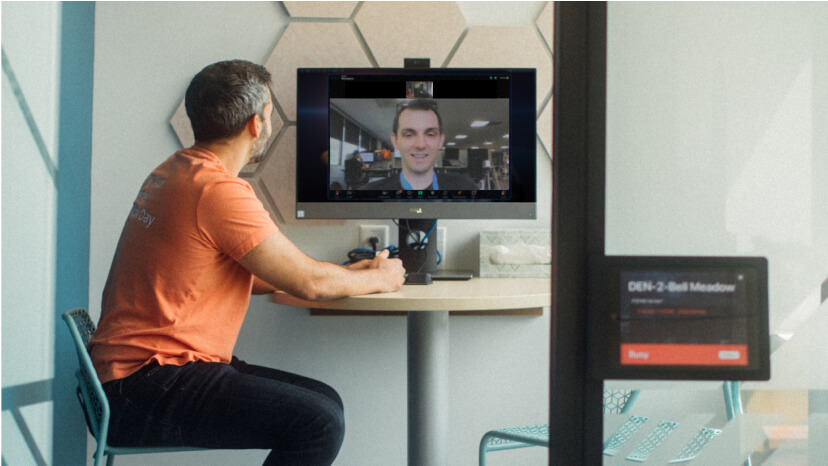
According to Tessa West, Associate Professor of Psychology at New York University, there are several ways to use video meetings to ensure everyone still gains the contextual information that accompanies physical interaction, helping to bridge the gap between at-home workers and in-office workers.
Here are West’s five video meeting tips to create an optimal environment for a hybrid workforce:
For more insights on how to strategically leverage video meetings to create a more connected workforce, you can watch our Building Forward webinar with West here, or check out her new book “Jerks at Work” coming out Jan. 25, 2022.
While remote collaboration has become second nature for many workers, it can also lead to employees being siloed from other teams and departments. Broader connection isn’t as easily nurtured in this new environment, tasking leaders with finding new ways to bind us all together and build trust.
According to Professor of Psychology and Neural Science at NYU, Jay Van Bavel, there’s a new mandate for leaders of a flexible workforce: create a sense of “us.” If we want to future-proof flexible work, we need to help workers transcend the individual identity that comes with working from home and plug into a group identity. This fosters collaboration and innovation.
Of course, there’s no roadmap for establishing a sense of who we are as a group and what we care about. But the end result is worth the work — leaders that do so are more effective and inspire more action, creating engaged followers.
Van Bavel has a few recommendations for how you can start fostering this shared identity:
For more insights on how to put identity leadership into practice and inspire their teams into collective action, watch Van Bavel’s Building Forward webinar here or check out his new book “The Power of Us: Harnessing Our Shared Identities to Improve Performance, Increase Cooperation, and Promote Social Harmony.”
How do you define an idea?
According to Jeremy Utley, Director of Executive Education at Stanford University’s d.school, an idea is a connection. Our brains don’t create new material from scratch — an idea comes from stitching together pieces of existing knowledge in an unexpected way, from building new bonds.
When it comes to sparking ideas and embracing innovative thinking, Utley provided a few key pointers:
The latter point is fundamental for how we foster innovation in this new world of work — we need to talk to collaborators, customers, and colleagues to learn new things, brainstorm, and form connections. If we want to court ideas, we have to court connections.
For more insights on how to generate new ideas through connection, watch Utley’s Building Forward webinar here.

By adopting new ways of thinking and strategically deploying collaboration technology to aid your teams, the everywhere workforce can become a sustainable reality. Whether you need to better connect teams or are just looking for creative inspiration, our Building Forward series is designed to provide simple and achievable tips for successfully navigating this new phase of work.
Discover more on-demand webinars here, or visit our Building Forward page to see upcoming events.